
Picture this: You're sitting at your kitchen table, familiar walls surrounding you, and suddenly the future feels uncertain. Decades of marriage, shared ambitions, and intertwined finances—how do you untangle it all? If gray divorce is looming in your life, you’re far from alone, and moving forward is possible, even if today it feels overwhelming.

Understanding Gray Divorce: A Turning Point for Older Adults
Gray divorce, a term used for divorces occurring when at least one spouse is aged 50 or older, marks a significant life transition for many older adults across the United States. Unlike younger adults, older adults face unique challenges in gray divorces—it’s not just about separating lives, but also about untangling decades of financial and emotional attachments. With people living longer and re-evaluating their life's priorities after their children become adults and leave home, the gray divorce rate continues to climb in the United States. This trend is especially pronounced among baby boomers and affluent families, influenced by evolving expectations and a desire for fulfillment in the second half of life.
For those in a higher income bracket or with substantial assets, gray divorce can feel particularly daunting. Older adult couples often share complex investments, real estate, and retirement accounts, making asset division and long-term planning more intricate than in divorces among younger adults or shorter marriages. The impacts are profound—emotionally for older men and women, as well as financially, given that support and asset division considerations differ with age group and retirement status. Understanding these challenges is the first step in preparing to navigate gray divorces confidently and constructively.
Defining Gray Divorce and Its Impact on Older Adults
Gray divorce is not just a number—it's a major life event. For many older adults, this transition happens after decades of shared habits, overlapping social networks, and intertwined finances. The impact can be both practical and deeply personal. Social circles may shift, lifestyles transform, and plans for retirement must be rewritten. For high net worth individuals especially, the outcome often shapes the financial foundation of their remaining years. It's crucial to recognize that while younger adults may have years to rebuild wealth and reset their plans, older adults must approach these issues with urgency and care to protect their future.
Emotionally, the end of a long-term marriage can bring unique questions for older adults: What does happiness look like now? How will relationships with adult children change? The sense of identity shaped by years of marriage must evolve, and older adults must often rebuild their support networks and sense of self. For some, there is liberation and an opportunity for newfound fulfillment; for others, a need to grieve many years of history and togetherness.
Why Gray Divorce is on the Rise Among Older Adults in the United States
The United States has seen a marked increase in the gray divorce rate over the past few decades. Several driving forces are at play: first, people are living longer, which gives couples more time to reevaluate if their long-term needs and dreams still align. Society itself has changed, with less stigma around divorce and more resources for older people navigating late-life transitions. For older adults in the baby boomer generation, changing attitudes about marriage and individual fulfillment mean that staying together is no longer assumed to be the only—or best—option.
Another important factor is financial independence, especially among older women. Many have built robust careers and retirement portfolios, allowing them to make independent choices. After children leave the family home, the “empty nest” phase can either reignite partnership or expose gaps that had been masked by parenting. These realities, along with evolving personal expectations, drive more older adults and older couples to consider starting fresh, even after many years of marriage.

What You'll Learn About Gray Divorce
- The unique emotional and legal challenges of gray divorce
- The impact of gray divorces on older adults' financial and personal lives
- Expert strategies for navigating divorce after 50
- How to protect your assets in high net worth gray divorces
- Insights tailored to affluent families facing later-life divorce
Personal Reflections: Navigating the Gray Divorce Journey
Identifying the Emotional and Social Challenges Older Adults Face
Going through gray divorce as an older adult is not just a legal or financial process; it’s deeply emotional. While divorce at any age is hard, separating after decades together can stir feelings of loss, betrayal, relief, and fear of the unknown. These emotions may be intensified by worries about loneliness, loss of social status, or navigating the stigma some may still associate with divorcing late. Older adults may also face shifting family dynamics, with adult children, long-time friends, and even younger relatives needing to reconcile their relationships with both former spouses.
Many older people report feeling apprehensive about re-entering social activities, forming new connections, or seeking therapy for the first time. This is especially true in high net worth divorces where family reputation or privacy may be critical considerations. It’s important to validate that these concerns are normal and to remember that reaching out for support—from friends, therapists, or peer groups—can help restore confidence and peace of mind in the aftermath of divorce.

Lessons Learned: Stories from Clients Experiencing Gray Divorces
Drawing from years of working with older adults in the Henderson, Nevada area, we’ve witnessed firsthand how gray divorce can be both challenging and transformative. One client, after 30 years of marriage, found herself navigating life as an independent woman for the first time since high school. While she initially struggled with self-doubt and fear, eventually she described the process as liberating, an opportunity to rediscover passions and friendships she’d let slip during her years of marriage.
Another client, a high net worth individual, was concerned about the implications on his adult children and his financial legacy. Through careful estate planning and open communication with family, he found that gray divorce, although difficult, allowed everyone to pursue individual happiness and long-term security. These stories emphasize that with support and the right guidance, gray divorce can lead not just to an ending, but to new beginnings filled with resilience and hope.
"Gray divorce can be both deeply freeing and profoundly unsettling—understanding your goals is the first step toward a better future."
Causes and Motivations: Why Are More Older Adults Choosing Gray Divorce?
Living Longer and Evolving Expectations After 50
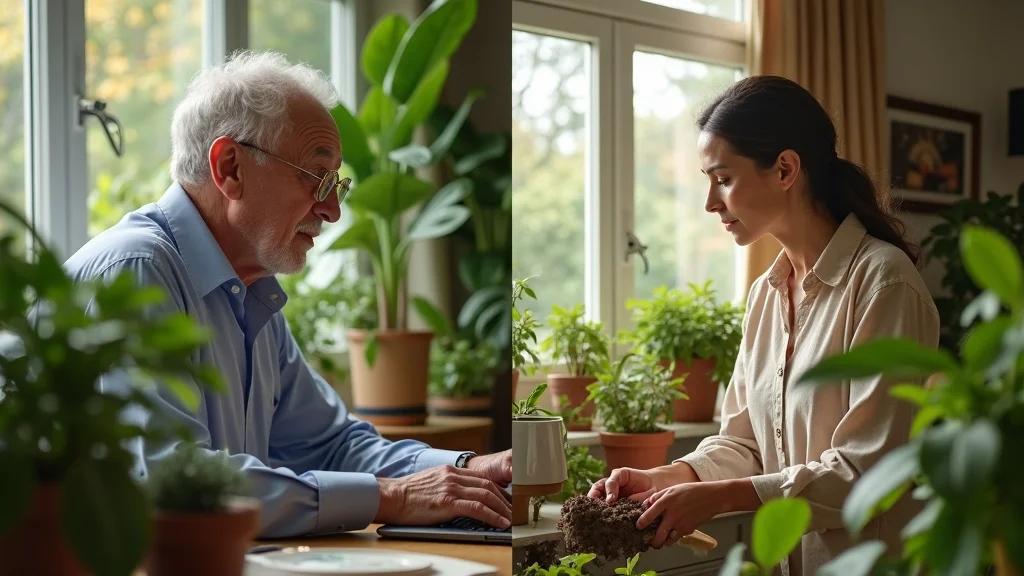
One of the most significant contributors to the rise in gray divorces is that people are living longer—often decades past retirement age. Longer life expectancy provides an opportunity for personal reinvention and renewed ambitions. As older adults reflect on what brings them fulfillment, they may realize their current partnership no longer aligns with their evolving expectations. The traditional notion of “until death do us part” is being weighed against the very real possibility of spending another 25 or 30 years in a partnership that no longer fits.
Older adults today are more empowered to seek personal growth, new experiences, and deeper satisfaction—values that weren’t always prioritized by previous generations. This cultural shift, coupled with improved health and access to financial resources, allows more individuals to contemplate and pursue futures that might look dramatically different from their past.
Common Triggers: Lifestyle Changes, Retirement, and Financial Independence
For some, the routines of work and raising children may have masked incompatibilities that surface once those distractions fade. Others face adjustments to daily routines and finances that retirement brings, highlighting divergent interests and needs.
Many high net worth couples experience added stress over asset protection and legacy planning, especially if there are family businesses or complex investments involved. The challenge of dividing multiple properties, managing retirement and social security benefits, and ensuring continued financial independence can lead to intense negotiations and require sophisticated legal strategies.
The Complicated Asset Division in High Net Worth Gray Divorces

How Asset Division Differs for Older Adults in Gray Divorce
Dividing assets during a gray divorce is a highly complex process—especially for older adults with substantial wealth. High net worth gray divorces often involve not just the family home, but additional properties, business interests, retirement accounts, and investment portfolios accumulated over many years. State laws differ, but Nevada’s focus on community property means both parties must prepare for a meticulous and sometimes contentious process.
The years of marriage factor heavily into asset division, as does the couple’s age group, retirement plans, and ongoing financial needs. Experienced legal counsel is essential to ensure a fair settlement that considers not only immediate distribution but also longer-term implications, such as taxes, health insurance, and estate planning. The key is to protect assets while providing both spouses the opportunity for financial stability in their later years.
Protecting Investments, Retirement Accounts, and Real Estate
Protecting your future after gray divorce requires strategic management of investments, retirement accounts, and real estate holdings. It’s not enough to simply split assets down the middle; each type of asset has its own rules regarding division, tax implications, and future growth. Specialized expertise is crucial in analyzing social security benefits, pension disbursements, and the liquidity of investment portfolios, especially among older adults with complex financial lives.
Additionally, with real estate values fluctuating and investment returns varying, the outcome of asset division during gray divorces can have profound effects on post-divorce cash flow. Engaging a knowledgeable attorney and trusted financial advisor ensures that every asset and liability is accounted for, so you come out of the divorce with a stable foundation for the years ahead.

Alimony, Spousal Support, and Considerations Unique to Gray Divorces
Alimony and spousal support are often central points of negotiation in high-net-worth gray divorces. Since many older adults are near or in retirement, traditional formulas for spousal support don’t always apply. Instead, courts consider factors like the duration of the marriage, the standard of living maintained, each spouse's age and health, and their respective ability to become financially independent post-divorce.
For couples where one party paused their career or contributed indirectly to marital wealth, long-term or even indefinite alimony may be considered. These cases require a delicate balance between protecting each party’s financial future and recognizing individual contributions to the household and shared success. Expert legal advice ensures all factors—including retirement account distribution and future cost-of-living increases—are considered.
Legal Strategies: Navigating Gray Divorce with Expert Guidance

Choosing the Right Legal Team for High Net Worth Gray Divorce
When facing gray divorce as an older adult, the importance of selecting a legal team with expertise in high net worth and complex asset cases cannot be overstated. Lawyers with deep experience in Nevada family law—like the professionals at Leavitt Family Law—bring insight into both the legal and practical nuances unique to affluent families. Your attorney should not only understand asset valuation and division but also communicate compassionately and maintain discretion, especially when privacy and family reputation are at stake.
Partnering with the right team ensures you are equipped for negotiations, documentation, and every eventuality—from amicable settlements to vigorously contested court proceedings. Ask about their approach to mediation versus litigation, knowledge of local property laws, and experience working with older adults and complex estates.
The Role of Mediation, Litigation, and Collaborative Divorce
For older adults considering gray divorce, legal strategy is not one-size-fits-all. Mediation offers a confidential, less adversarial process where a neutral third party helps couples find mutually agreeable solutions, which can be especially valuable in preserving relationships with adult children or protecting family businesses. Collaborative divorce is another option, relying on open communication, shared experts, and problem-solving rather than court battles.
However, in situations where agreement proves challenging—such as disputes involving significant assets, business valuations, or hidden investments—traditional litigation may be necessary. Your legal team will help you weigh the pros and cons of each approach, prioritizing your values and your future.

Pre- and Post-Nuptial Agreements in Protecting Older Adults
Pre- and post-nuptial agreements play a vital role in protecting financial interests for older adults, especially those in high net worth marriages. These agreements can outline how assets will be divided and how spousal support will be handled, providing clarity and peace of mind. While some may hesitate, fearing such documents demonstrate mistrust, in reality they ensure transparency and fairness for both parties.
Older adults with existing wealth, adult children from prior marriages, or ownership in family businesses find particular value in tailored agreements. If you’re entering a new marriage later in life or want to formalize expectations mid-marriage, consult a family law attorney with experience in complex estate and asset management.
Emotional Well-Being: Moving Forward After Gray Divorce

Rebuilding Confidence and Social Connections After Divorce
Emerging from a gray divorce often means reconstructing not just financial stability, but also self-confidence and a sense of belonging. Many older adults find themselves forging new social ties, rediscovering hobbies, or engaging in volunteer work that fosters community. While the first steps can be daunting, participation in group activities, interest-based clubs, or faith communities has been shown to lift spirits and renew purpose.
As your personal narrative changes, be gentle with yourself. Remember, you have the benefit of life experience and wisdom. Whether it’s reconnecting with old friends, spending more time with adult children, or trying something entirely new, life after gray divorce can be vibrant and meaningful.
Seeking Support: Counselors, Therapists, and Peer Groups
Professional guidance is invaluable during this transitional time. Consider working with therapists or counselors who specialize in divorce among older adults. They can help you process grief, deal with anxiety, and cultivate coping strategies that support long-term mental health. Peer groups—both in-person and online—offer an empathetic space to share stories and exchange practical advice with others experiencing similar journeys.
Don’t underestimate the power of community resources for older people. Libraries, senior centers, and local nonprofits often maintain updated lists of support groups, activities, and mental health workshops tailored to this demographic. Reach out—you’re not alone.
Financial Wellness: Secure Your Future Post-Gray Divorce

Building a New Financial Plan as an Older Adult
After many years of shared finances, rebuilding your financial roadmap requires intention and adaptability. Start by listing sources of current and future income, including retirement accounts, social security benefits, and investment earnings. Create a realistic budget that accounts for changed living expenses, healthcare, and lifestyle goals. If you have adult children or ongoing family obligations, discuss how these changes may impact their expectations.
Achieving independence as an older adult doesn’t mean starting from scratch—it means leveraging what you’ve built and directing your resources where they’ll serve you best. High net worth individuals should consult with both a financial advisor and a legal team to ensure a thorough review of holdings, benefits, and contingencies.
Maximizing Retirement and Investment Portfolios
For many, the family’s nest egg—formed through investments, pensions, and real estate—represents decades of effort and planning. In the aftermath of gray divorce, the focus must shift toward maximizing what remains and securing income for the future. Rebalance your portfolio to match your new risk tolerance and income needs; review beneficiary designations and insurance policies to reflect your current wishes.
Social security benefits, required minimum distributions, and pension options have rules that interact differently for divorced older adults. Sometimes, years of marriage may qualify you for spousal benefits. Navigating these details is critical—don’t tackle it alone. Use every tool and resource to optimize your financial security in this next chapter.
People Also Ask
What is the main cause of gray divorce?
While no single factor leads to every gray divorce, key causes often include diverging life expectations, financial disagreements, and evolving desires for personal fulfillment after decades of marriage.
Is 70 too old to divorce?
Age is not a limiting factor for divorce. Many individuals successfully pursue gray divorce in their 70s, focusing on their personal happiness and future well-being.
Is divorce after 50 worth it?
For many, divorce after 50 leads to renewed independence and life satisfaction. It depends on the specifics of the relationship and the goals of the individuals involved.
What happens when seniors divorce?
Senior divorces can impact finances, living arrangements, and family dynamics, but proper planning and support can ensure a smooth transition to the next stage of life.
FAQs About Gray Divorce for Older Adults
- How are assets typically divided in a high net worth gray divorce involving older adults?
In gray divorces, especially among baby boomers and older adults, asset division can be complex due to longer life spans and accumulated wealth. Courts often consider the length of marriage, financial independence, and contributions of each party to fairly divide assets.
- Does spousal support change if both parties are retired?
For older couples who are retired, spousal support arrangements may differ significantly. Factors such as social security benefits, financial independence, and the age group of the individuals influence the determination of support in gray divorces.
- Is mediation effective for complicated gray divorces?
Mediation can be a valuable tool for resolving disputes in gray divorces, even when cases are complicated. It allows older adults to negotiate terms amicably, often preserving mental health and reducing the emotional toll associated with high divorce rates among baby boomers.
- What should older adults know about estate planning during divorce?
Estate planning is crucial for older adults undergoing divorce. They should consider updating wills, beneficiary designations, and security benefits to reflect new circumstances, ensuring their assets are protected and distributed according to their wishes post-divorce.
Key Takeaways on Navigating Gray Divorce for Older Adults
- Gray divorce is increasingly common and brings unique challenges for older adults.
- Professional legal guidance is essential for fair financial and emotional outcomes.
- With the right strategies, moving forward after gray divorces is possible and can be empowering.
Ready to Take the Next Step in Your Gray Divorce Journey?
Contact us or call us at (702) 605-0065 for tailored guidance—Leavitt Family Law offers compassionate, professional representation for high net worth gray divorces in the Henderson, Nevada area.