
Moving on after a long marriage can feel overwhelming. It is becoming more common for divorces to happen later in life, often during the time of menopause, which makes the emotional toll, financial questions, and lifestyle changes weigh even heavier. Healing takes time, patience, and support. If you are wondering how to get over a divorce after a long marriage, clear guidance and trusted resources can help you rebuild confidence and stability.
Navigating gray divorce: Unique challenges after a long marriage
A gray divorce, ending a marriage after many years together, brings unique challenges. Shared history, merged finances, and retirement planning make the process more complex than divorces earlier in life.
Asset division often involves retirement accounts, pensions, real estate, and long-term investments. Questions of spousal maintenance (alimony) also come up more often in long marriages, especially if one partner has been out of the workforce for many years. Nevada’s community property laws typically require equal division of marital assets unless there are agreements or specific exceptions.
Health insurance, long-term care needs, and social support networks are also important considerations. For many, the shift involves not only financial restructuring but also redefining daily roles and long-term goals.
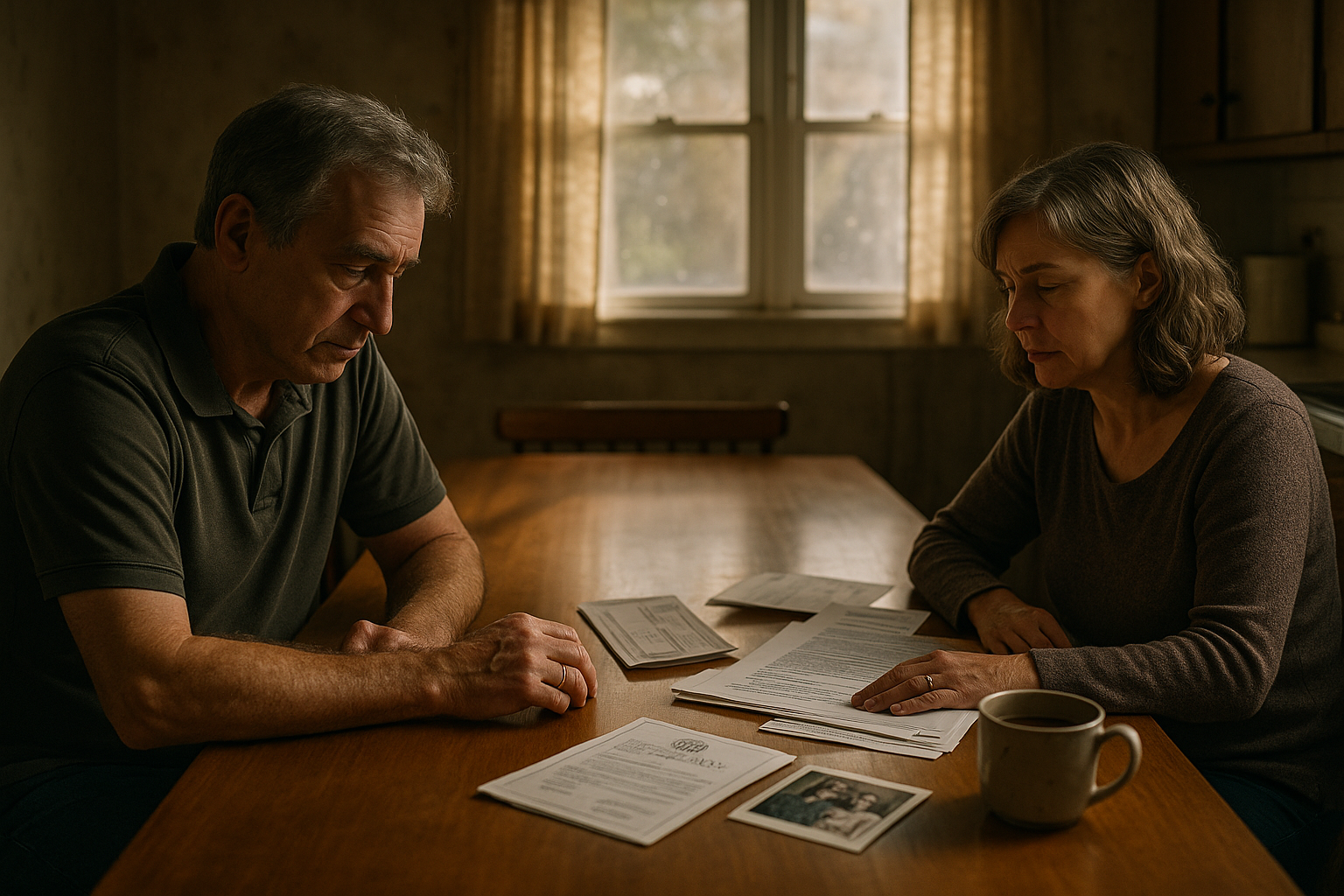
The emotional stages of post-divorce adjustment
The emotional side of divorce can be as challenging as the legal and financial aspects. People commonly move through different stages, including grief, anger, sadness, and eventual acceptance. These feelings may surface at different times and are not always linear.
Acknowledging emotions, instead of avoiding them, is an important step in divorce recovery. Therapy, support groups, or counseling provide constructive outlets for working through these experiences. Having professional support can help you process feelings and adjust to new routines more effectively.
Grief and denial: After a long marriage, it is common to feel disbelief or shock that the relationship has ended. This stage may include holding onto hope for reconciliation or struggling to accept the change. Recognizing this reaction as part of normal life transitions can help you begin to move forward. Seeking divorce support early can ease the weight of this stage.
Anger and frustration: Many people feel anger toward their former spouse, the situation, or even themselves. These emotions may resurface when dividing assets, discussing custody, or adjusting to new financial responsibilities. Channeling frustration into healthier outlets like exercise or counseling provides a safer way to process feelings and maintain balance.
Sadness and loneliness: Long-term marriage often shapes identity and daily routines. Once it ends, sadness and a sense of isolation can feel overwhelming. Rebuilding your social life, staying active socially, and accessing divorce resources such as peer support groups can help you manage loneliness and reconnect with a sense of purpose.
Acceptance and rebuilding: Acceptance does not mean forgetting the past. It involves acknowledging what has happened and beginning to focus on the future. At this stage, many people reevaluate their priorities, set clear boundaries, and start to establish new goals. Positive living habits, such as mindfulness and community involvement, can reinforce long-term stability.
Recognizing and working through these emotional stages helps make the path to recovery less overwhelming. By allowing yourself to experience each phase, you create space for healing and the possibility of building a life that feels balanced and meaningful again.
Finding divorce support for your changing needs
As divorce recovery continues, your needs evolve over time. What may feel urgent during the legal process often shifts once the paperwork is finalized. After a long marriage, the focus gradually moves toward building resilience, strengthening mental health, and adapting to new routines. Recognizing that these life transitions require ongoing care is essential to long-term stability.
Emotional support: Working with licensed therapists or joining divorce recovery groups can help process feelings of loss and change. Emotional guidance provides tools for navigating the ups and downs of post-divorce adjustment while encouraging positive living practices that reduce stress.
Financial guidance: Divorce resources such as financial planners or estate advisors can help create realistic budgets and long-term strategies. They offer clarity on managing retirement accounts, health care, and future goals, all of which are especially important after a long-term marriage.
Family and social support: Family counseling may be valuable if relationships with children or extended family are strained. At the same time, staying active socially by joining community groups, workshops, or volunteer activities helps rebuild your network and foster a sense of belonging.
Finding the right divorce support is not a one-time step but an ongoing process. By connecting with trusted professionals, accessing divorce resources, and engaging in supportive communities, you can adapt to changing needs and build a foundation for a healthier future.
Practical strategies for financial and personal stability
Regaining stability after divorce begins with organization, planning, and steady decision-making. Both financial and personal steps are necessary to create a strong foundation for divorce recovery.
Organize financial documents: Collect retirement account statements, property records, tax returns, and debt information. Having these documents in order helps clarify the division of assets after a long marriage and allows you to make informed choices about your financial future.
Understand community property laws: In Nevada, marital assets are generally divided equally. Knowing how property division works in your state provides transparency, reduces conflict, and helps you set clear boundaries during the process.
Create a new budget: Adjust your finances to reflect current income, expenses, and goals. Working with divorce support resources like a financial advisor can make it easier to plan for long-term needs, including healthcare, retirement, and savings.
Update legal and financial records: Review and revise beneficiaries, account passwords, and estate planning documents. These practical steps ensure that your future financial stability is protected and that your wishes are accurately reflected.
Build an emergency fund: Setting aside funds for unexpected expenses provides security during life transitions. Even small contributions each month help create independence and reduce stress in the long term.
Prioritize personal stability: Physical and emotional health play a vital role in divorce recovery. Positive living habits such as regular exercise, balanced nutrition, and mindfulness strengthen resilience and improve overall well-being.
Stay active socially: Rebuilding your social circle supports both emotional health and personal growth. Engaging in new activities or reconnecting with community groups can help reduce loneliness and create a stronger support system.
Taking these steps not only stabilizes your finances but also strengthens your emotional foundation. Combining practical planning with self-care allows you to move through divorce recovery with confidence and build a healthier future.
Long-term divorce recovery and creating a fulfilling new chapter
Long-term divorce recovery is not about forgetting the past, but about creating space for growth, healing, and new possibilities after a long-term marriage ends. This stage is a gradual life transition where emotional health, financial stability, and personal growth begin to align. Over time, you may find yourself reevaluating your priorities and setting clear boundaries that support independence and confidence.
Many people benefit from family counseling to navigate shifting relationships with adult children, co-parents, or extended family members. Counseling can provide tools to improve communication, address unresolved feelings, and strengthen bonds that may have been strained during the divorce process.
It is equally important to focus on personal well-being and positive living. Staying active socially by joining community groups, volunteering, or taking part in educational workshops helps you rebuild connections and find meaning outside the marriage. These activities provide valuable divorce support, reminding you that healing is possible and that you are not alone.
Small, consistent steps make recovery sustainable. Whether it is developing healthier habits, setting new personal goals, or embracing hobbies that bring fulfillment, the aim is to move forward with purpose. With patience and resilience, divorce recovery becomes a pathway to a fulfilling new chapter built on strength, stability, and renewed hope.
Get Support from Experienced Divorce Attorneys
Though the journey after a long marriage ends can feel overwhelming, you do not have to face it alone. At Leavitt Family Law Group, we focus on divorce, high net worth divorce, child custody, child support, spousal maintenance, asset division, and post-divorce matters. We provide experienced legal guidance and compassionate support to help you through this difficult life transition. If you are ready to talk about your situation, we invite you to reach out for a free consultation so we can work together toward a more stable future.