
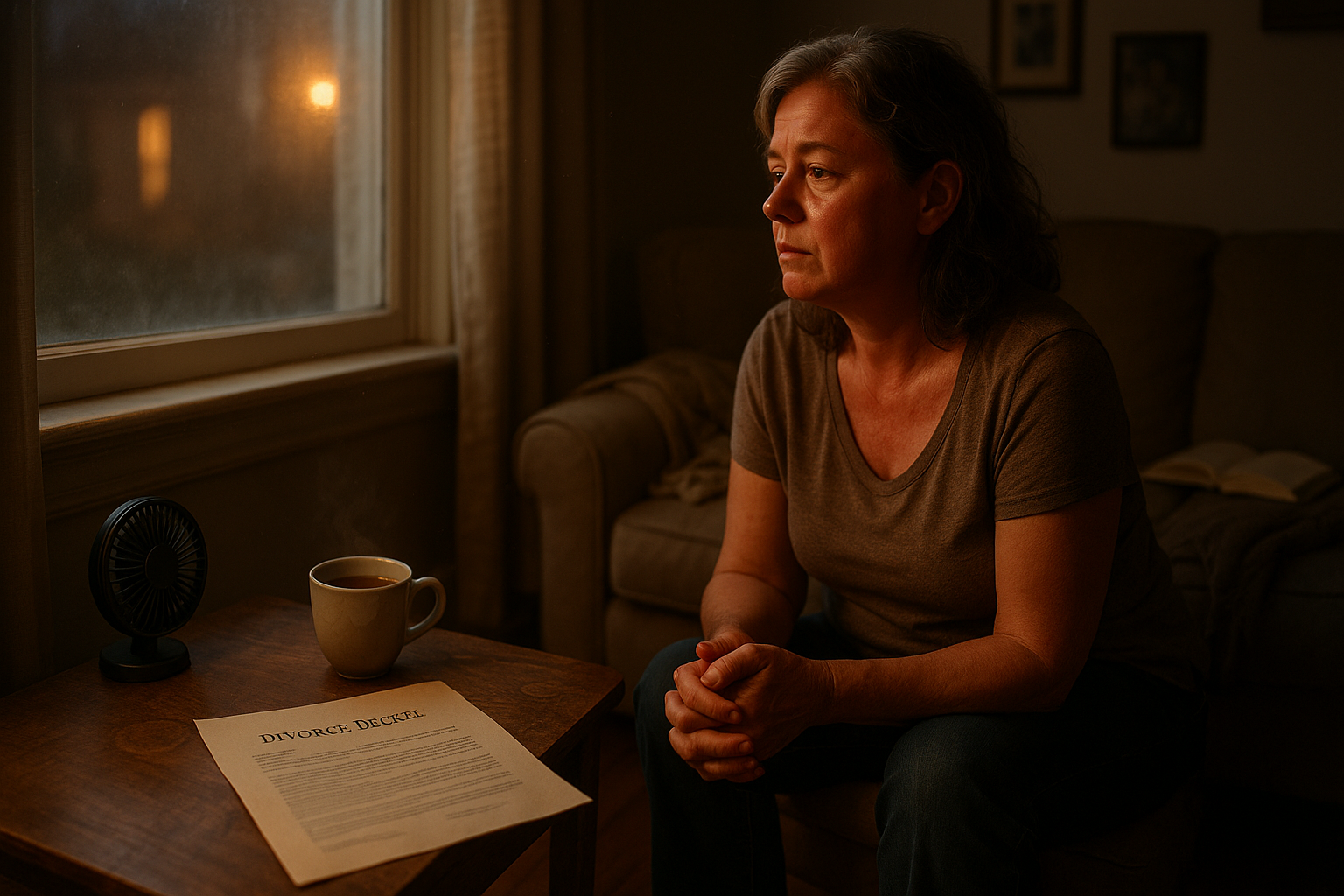
Divorce during menopause often feels overwhelming. Emotional changes and physical symptoms collide with major life decisions. For many women, this creates uncertainty about the future. Having thoughtful legal support and access to divorce advice for women in menopause can help you make informed choices, protect your financial stability, and safeguard your well-being. ´
Navigating Emotional and Physical Changes: Menopause and Divorce
Menopause brings a wide range of physical and emotional changes that can influence how women experience divorce. Hot flashes, disrupted sleep, and fatigue may reduce resilience, while mood swings and memory lapses can make it harder to manage the stress of separation. These symptoms can overlap with the emotional strain of divorce, increasing feelings of anxiety, sadness, or irritability.
The combination of menopause and divorce often makes daily functioning more difficult. Simple tasks such as organizing paperwork, making financial decisions, or handling parenting responsibilities may feel more overwhelming when layered with physical discomfort. It is common for women to notice changes in self-confidence, relationships, and outlook on the future during this time.
Recognizing these challenges allows women to approach divorce with a clearer understanding of how health and emotional well-being intersect. Awareness also helps in identifying strategies and resources that make navigating both transitions more manageable.
Practical Strategies for Managing Stress and Wellbeing During Menopause
Balancing the demands of divorce and the physical changes of menopause requires intentional care. Practical strategies can make these transitions easier to manage:
Establish consistent sleep routines: Poor sleep is common during menopause, often due to night sweats or anxiety. Going to bed and waking up at the same time each day, keeping the bedroom cool, and limiting screen time before sleep can help improve rest.
Focus on balanced nutrition: Menopause can increase the risk of bone density loss and weight changes. A diet rich in fruits, vegetables, whole grains, calcium, and lean proteins supports both physical health and energy levels.
Stay physically active: Regular exercise reduces stress, improves mood, and helps manage symptoms like fatigue and joint stiffness. Even moderate activities such as walking, swimming, or yoga can provide meaningful benefits.
Use mindfulness and relaxation techniques: Practices such as meditation, deep breathing, or journaling can lower stress and improve emotional balance. These techniques may also reduce the intensity of mood swings and anxiety.
Seek professional and peer support: Talking with a healthcare provider about menopausal symptoms allows for tailored treatment options. Support groups and therapy can also provide a safe space to share experiences and learn coping strategies.
Taken together, these approaches can make the physical and emotional effects of menopause more manageable during the stress of divorce. By addressing sleep, nutrition, exercise, and mental health with intention, women create routines that support resilience in daily life. Understanding how different strategies work together also encourages balance, making it easier to cope with both health changes and the demands of the legal process.
Understanding How Menopause May Influence Gray Divorce Decisions
Many women in midlife find themselves considering what is commonly called “gray divorce,” the ending of a marriage later in life. Menopause often plays a role in this process, as symptoms such as disrupted sleep, mood changes, and reduced emotional energy can affect how women experience long-term relationships. These changes may lead to increased tension or cause some women to reevaluate the future of their marriage.
The overlap between menopause and divorce highlights how health and emotional well-being influence major life decisions. Recognizing this connection allows women to better understand their needs, anticipate challenges, and make thoughtful choices about their personal and financial futures.
Recognizing the Unique Challenges Faced by Women in Gray Divorce
Gray divorce presents layered challenges for women, particularly when combined with the physical and emotional effects of menopause. Some of the most common difficulties include:
Emotional and physical strain: Hormonal changes during menopause can intensify feelings of sadness, irritability, and fatigue. These emotions may make conflict resolution harder and cloud decision-making.
Financial concerns: Midlife women often face questions about retirement planning, division of assets, and long-term financial security. Divorce at this stage can require reevaluating savings, housing, and lifestyle expectations.
Health and identity changes: Shifts in self-confidence, body image, and social identity are common during menopause. Combined with the end of a marriage, these changes can create feelings of uncertainty about the future.
Impact on family dynamics: Even when children are grown, divorce can affect relationships with family members and friends. Women may also experience concerns about caregiving responsibilities for aging parents.
These overlapping challenges demonstrate how deeply personal gray divorce can be for women in menopause. Understanding the intersection of health, finances, and relationships helps women prepare for both the emotional and practical aspects of separation.
The Importance of Choosing a Skilled Family Lawyer During Menopause
Divorce during menopause is not only emotionally demanding but also complex in terms of legal and financial planning. Menopausal symptoms such as fatigue, difficulty concentrating, and heightened stress can make it harder to focus on paperwork, deadlines, and negotiations. A skilled family lawyer provides guidance during this time by ensuring that important issues are handled carefully and that nothing is overlooked. Women in midlife often face decisions about retirement accounts, spousal support, or ongoing medical needs, all of which benefit from professional legal attention.
Key areas where experienced legal support makes a difference include:
Property division
Spousal support
Child custody
Retirement planning
Healthcare considerations
Choosing the right attorney means having someone who can translate complicated processes into clear options. This support allows women to make informed decisions without being overwhelmed by stress or uncertainty. With knowledgeable guidance, the legal side of divorce becomes more manageable, leaving space to focus on well-being and long-term stability.
Support for Divorce During Menopause
If you are experiencing divorce during menopause, compassionate and skilled legal support can make the process less overwhelming. At Leavitt Family Law Group, our attorneys handle divorce, custody, property division, alimony, and other family law matters with care and experience. We recognize the unique emotional and financial concerns of this stage of life and provide guidance that protects your rights while planning for your future. Contact our Henderson office to schedule a confidential, no-obligation consultation and learn how we can support you during this important transition.