
Divorce after age 50 often comes with stress, uncertainty, and emotional upheaval. When menopause enters the picture, the health challenges of divorce after 50 and menopause can feel even more overwhelming. Hormonal shifts affect mood, sleep, energy, and decision making, exactly when you need clarity and resilience the most. Many women describe this as a unique stage of life, sometimes referred to menodivorce.
Understanding how health and legal changes overlap helps you prepare for the road ahead. Being informed allows you to take better care of yourself and make decisions that support both your well-being and your future.
The Overlapping Health Impacts of Menopause and Later-Life Divorce
Menopause often brings symptoms such as hot flashes, disrupted sleep, fatigue, and mood changes. On their own, these symptoms can be difficult to manage. Combined with the stress of divorce, they may increase anxiety, reduce concentration, and affect overall quality of life.
Studies show that menopause can heighten feelings of depression or emotional vulnerability. Divorce at the same time may intensify these struggles, leaving women more vulnerable to health issues like high blood pressure, chronic fatigue, or insomnia. Recognizing these risks makes it easier to prioritize self-care and seek support when needed.
Gray Divorce: Unique Health and Financial Concerns After 50
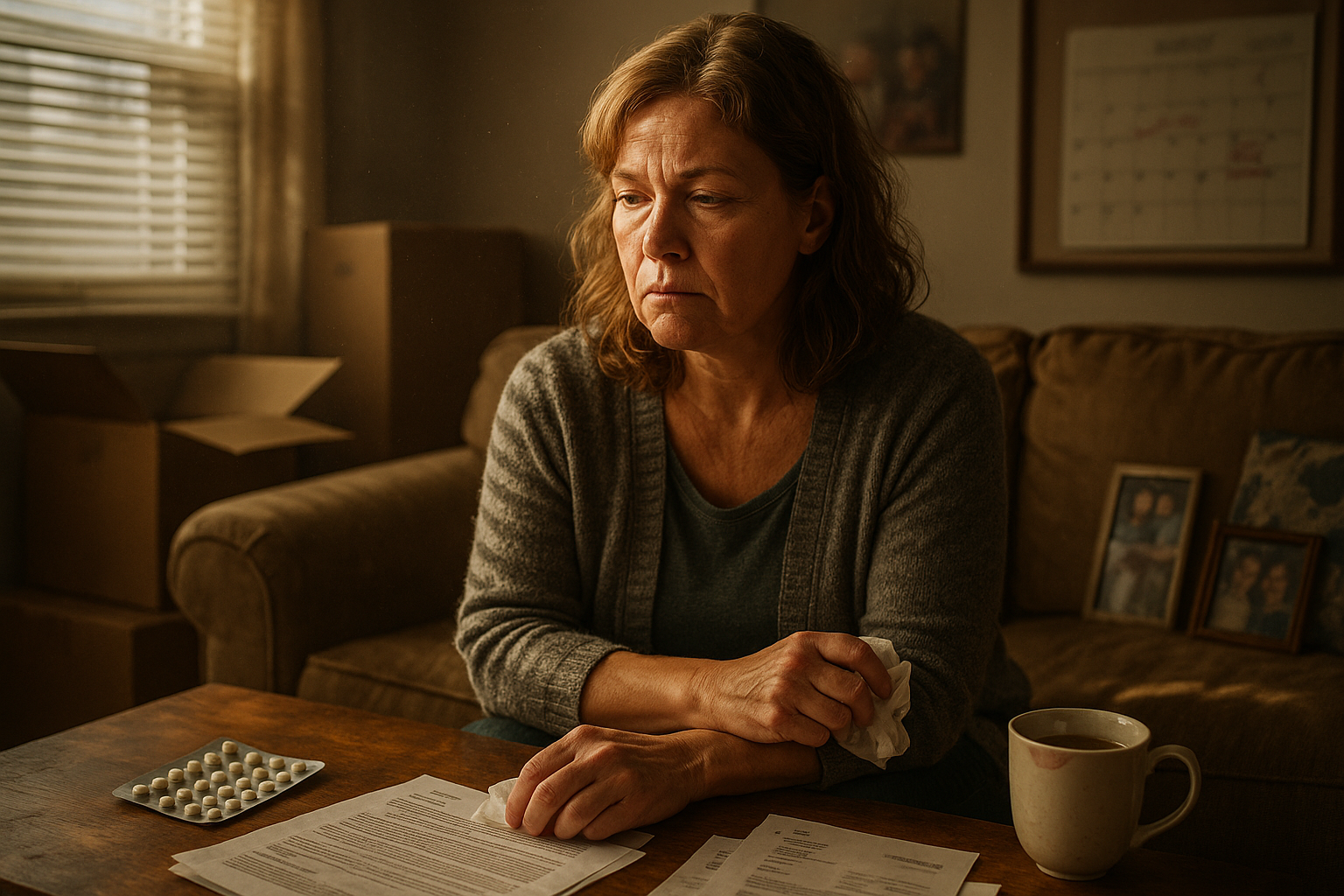
Gray divorce describes separation later in life, typically after age 50. It is becoming more common, yet it presents distinct challenges. On the health side, many women in midlife are already managing menopause symptoms such as fatigue, sleep issues, and mood changes. These physical effects often intensify under the stress of divorce, increasing risks for anxiety, depression, or chronic conditions like high blood pressure.
Financial concerns can be just as pressing. Dividing retirement savings, pensions, property, and investments after decades of marriage can feel overwhelming. Questions around spousal maintenance (alimony) and long-term financial security may add to the uncertainty. For many, ending a long partnership also carries an emotional burden that requires time and patience to heal. Recognizing these overlapping health and financial concerns helps women prepare for the realities of later-life divorce and create a plan that safeguards both their well-being and their future stability.
Navigating Legal and Emotional Support for Women Facing Divorce and Menopause
For women over 50, divorce and menopause often overlap in ways that feel overwhelming. Addressing both the legal and emotional aspects together can make the transition easier to manage. Here are important areas to focus on:
Understand your legal rights: Learn about property division, spousal support, and retirement account considerations. Clear knowledge reduces uncertainty and helps you make confident decisions.
Build emotional support systems: Therapy, counseling, or support groups can provide guidance and reduce the isolation many women feel during this stage. Talking openly eases emotional pressure.
Balance self-care with responsibilities: Menopause symptoms may lower energy levels, so pacing yourself and setting boundaries is essential. Focus on what is most important each day.
Seek professional advice when needed: Attorneys and financial advisors can handle the complex details so you can focus more on your well-being. Delegating tough tasks reduces stress.
Prioritize communication: Honest conversations with family members and loved ones help them understand your needs. Clear communication creates stronger relationships during stressful times.
Together, these steps can make the divorce process less overwhelming. By pairing legal knowledge with emotional care, women can move forward with greater clarity and strength.
Life Transitions: Coping Strategies for Building Resilience During Gray Divorce
Managing divorce and menopause together requires thoughtful approaches that nurture both your emotional and physical health. Focusing on small but steady changes can help you rebuild stability during this difficult stage and create a healthier lifestyle during those major transitions.
Maintain consistent daily routines: Sleep, nutrition, and exercise are the foundation of well-being. Even simple steps like walking daily or keeping a regular bedtime can reduce stress and improve energy levels. Structure creates a sense of control when everything else feels uncertain, helping you regain balance.
Practice intentional stress management: Techniques like mindfulness, journaling, or guided breathing give your mind a break from constant worry. These practices also lower physical responses to stress, such as rapid heart rate or tension. Over time, they build resilience and allow you to handle challenges with greater calm.
Stay connected with supportive people: Divorce and menopause can feel isolating, but you do not have to go through them alone. Trusted friends, family, therapists, or support groups can provide encouragement and perspective. Surrounding yourself with understanding people helps ease loneliness and reinforces your ability to adapt.
These strategies create a strong base for healing. By focusing on health, emotional balance, and supportive relationships, you give yourself the tools to face this life transition with strength and confidence.
The Link Between Emotional Health and Physical Well-Being
For postmenopausal women navigating life after 50, the connection between emotional health and physical well-being becomes especially clear. Menopause can affect sleep, energy levels, and mood, while later-life divorce brings financial pressures, legal concerns, and emotional strain. When combined, these changes can make women feel overwhelmed and vulnerable, particularly in communities like Henderson, Las Vegas, and Clark County where gray divorce is increasingly common.
Stress from divorce often shows up in the body as fatigue, headaches, or high blood pressure, while menopause symptoms may worsen under emotional pressure. This cycle can reduce overall quality of life and make it harder to focus on decision-making during divorce. Recognizing this mind-body link is vital for women facing the dual challenges of menopause and divorce.
Practical steps, such as regular exercise, balanced nutrition, mindfulness practices, and therapy, strengthen both body and mind. By addressing emotional health and physical well-being together, postmenopausal women can better safeguard their future and build resilience. Prioritizing self-care not only reduces the health impacts of divorce but also creates a stronger foundation for long-term stability and peace of mind.
Contact Leavitt Family Law: Compassionate Help for Health and Legal Challenges in Divorce
Divorce after 50, especially during menopause, can feel overwhelming both emotionally and physically. Prioritizing your health while navigating legal and financial changes is essential. With the right knowledge, support, and professional guidance, you can protect your well-being and move forward with confidence. If you need clear direction and compassionate legal help, Leavitt Family Law Group is here to guide you toward a more secure future.